
rectangle glass mirror
Understanding Steel Fabrication An Overview of Steel Fab Tables In the construction and manufacturing industries, steel fabrication plays a crucial role in delivering high-quality structural components. Steel fab tables, often referred to as fabrication tables, are essential tools in this process, enabling fabricators to achieve precision and efficiency when working with steel. In this article, we will explore what steel fab tables are, their significance in fabrication processes, and the unique advantages they provide. What is a Steel Fab Table? A steel fab table is a sturdy work surface designed specifically for the fabrication of steel components. Fabrication tables are typically constructed from heavy-duty steel and are engineered to withstand the mechanical stresses associated with welding, cutting, and machining. The surface of a fabrication table is usually flat and often includes features like clamping slots, holes for fixtures, and sometimes even built-in grids for measuring and layout purposes. These tables serve as a foundational workspace where fabricators can assemble, weld, and finish metal components before they are transported to the construction site or integrated into larger systems. Steel fab tables come in various sizes and designs, allowing them to be tailored to specific project requirements or manufacturing setups. Importance of Steel Fab Tables in Manufacturing 1. Precision and Accuracy The flat and stable surface of steel fab tables aids in achieving precise cuts and welds. This accuracy is crucial for ensuring that components fit together correctly during assembly, minimizing the risk of structural issues down the line. 2. Enhanced Safety By providing a designated workspace that’s engineered for steel work, fab tables improve safety in the workplace. Heavy materials can be worked on without the risk of them slipping or tipping over, reducing the likelihood of accidents. 3. Work Efficiency The design of fab tables often includes features that streamline the fabrication process. Clamping mechanisms allow for easy securing of materials, while integrated measuring tools facilitate rapid setup, ultimately improving productivity. steel fab table 4. Versatility Steel fabrication tables can be used for a variety of tasks, from basic cutting and welding to more complex assembly operations. This versatility means that a single table can support multiple processes within the manufacturing cycle. Features of a Quality Steel Fab Table When evaluating steel fab tables, certain features contribute significantly to their effectiveness and usability - Material Composition High-quality steel construction is essential for durability. A good fab table should resist warping and maintain its integrity over time, even under heavy loads. - Adjustable Height Some tables come with adjustable height capabilities, allowing workers to find an optimal working position, thus enhancing ergonomics and reducing fatigue. - Modularity Modular design elements enable customization for specific tasks. This can include interchangeable components like clamps or fixtures tailored for particular types of steelwork. - Mobility Options While most fabrication tasks require a stable, stationary table, having mobility options such as casters can be beneficial for adjusting workspace configurations and navigating within a workshop. Conclusion Steel fabrication is a vital component of modern construction and manufacturing processes, and steel fab tables play an indispensable role within this framework. Their significance lies in their ability to provide a stable, safe, and efficient workspace where precision and productivity can thrive. As technologies and methodologies in fabrication continue to advance, the evolution of steel fab tables will undoubtedly reflect these changes, ensuring that fabricators have the tools they need to tackle increasingly complex projects. Understanding the importance of these tables will help industry professionals maximize their effectiveness and maintain high standards in steel fabrication.
about
rectangle glass mirror
The Vital Role of Truss Plates in Structural Integrity In the intricate realm of construction and engineering, the significance of seemingly minor components often goes unnoticed by the untrained eye. One such crucial element that plays a pivotal role in ensuring the stability and longevity of structures is the truss plate. These small yet mighty metal connectors serve as the backbone for numerous structures, from residential homes to large-scale commercial buildings. In this article, we delve into the world of truss plates, exploring their function, types, manufacturing process, and why they are indispensable in modern construction practices. **Understanding Truss Plates** Truss plates are specialized metal connectors designed primarily to join timber or wooden members in trusses, which are triangular frameworks providing support for roofs and other structural elements. They consist of a flat metal sheet, usually made from galvanized steel to resist corrosion, punched with teeth or embossments that bite into the wood upon installation, creating a secure and rigid joint. The design of truss plates allows them to distribute loads efficiently across the connected timbers, enhancing the overall strength and stability of the structure. **Function and Significance** The primary function of truss plates is to transfer forces—such as tension, compression, and shear—across joints within a truss system. Their strategic placement along the truss members ensures that the load from the roof or upper floors is evenly distributed down to the walls and ultimately to the foundation. Without truss plates, timber connections would rely solely on nails or screws, which are less effective in managing complex stress distributions and prone to failure under heavy loads or over time. **Types and Varieties** Truss plates come in various shapes and sizes to accommodate different truss configurations and loading requirements. Some common types include 1. **Gable End Plates** Designed for connecting the end trusses to the wall top plates. 2. **Hip Plates** Specifically shaped for hip roof trusses, where they join at angles. 3 3 3 3 truss plate . **Web Plates** Smaller plates used within the body of the truss to connect chords and webs. 4. **Connector Plates**,, placement。 Manufacturers often customize truss plates based on engineering specifications, ensuring each plate meets the exact structural demands of the project. **Manufacturing and Quality Control** The production of truss plates involves precision stamping machines that punch out the plate shape and teeth pattern from sheets of galvanized steel. Quality control is paramount in this process, with rigorous testing for material strength, dimensional accuracy, and the integrity of the zinc coating. Advanced technologies like computer-aided design (CAD) and manufacturing (CAM) systems ensure precise fabrication, while third-party certifications like those from the American Iron and Steel Institute (AISI) provide additional assurance of product quality. **Importance in Modern Construction** In contemporary construction, truss plates have become indispensable due to their efficiency, cost-effectiveness, and versatility. They facilitate prefabrication of trusses off-site, which can then be quickly assembled on-site, significantly reducing construction time and labor costs. Moreover, their standardized production and ease of use contribute to the consistency and safety of structures, making them a staple in both residential and commercial building projects. **Conclusion** Truss plates, though small in stature, stand tall in their contribution to structural integrity. Their ability to reinforce timber connections, distribute loads efficiently, and facilitate efficient construction practices underscores their importance in modern architecture. As the industry continues to evolve, embracing new materials and technologies, the role of truss plates is likely to adapt and expand, further solidifying their status as vital components in the quest for safer, stronger, and more sustainable structures. Understanding the intricacies and significance of these connectors provides a deeper appreciation for the unseen heroes holding up our built environment.
-

High quality industrial productsagement

High quality industrial products
View Details -

Meet the diverse needs of customers

Meet the diverse needs of customers
View Details -

Strict quality control

Strict quality control
View Details -

Top raw materials

Top raw materials
View Details -

Trusted supplier

Trusted supplier
View Details
Our application



news and information

Y Strainer Buhar Tuzağı Performansı ve Kullanım Alanları Hakkında Bilgi
Y Strainer ve Buhar Tuzakları Verimli Endüstriyel İşlemler için Kritik Bileşenler Endüstriyel tesisl
water valve key types
Understanding Water Valve Key Types Water valves are essential components in various plumbing system
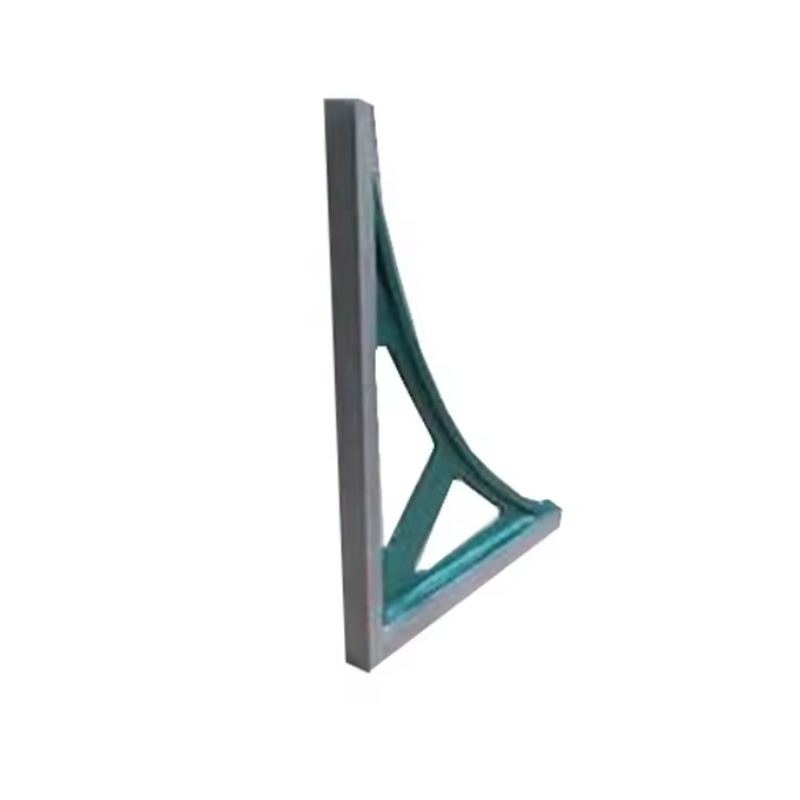
Versatile Metal Angle Ruler for Precision Measurements and Projects
The Versatility of the Metal Angle Ruler in Precision Measurement In the world of craftsmanship, eng
 English